Role
Team
Timeline
Summary
In Fall 2024, a collaborative design research studio project was tasked to me and my project partner. We began this semester with researching problem spaces all over the world, looking for possible design solutions for them. Me and my partner both found a similar problem space in food waste with general consumers. We discovered that besides the typical American wasting tons of food each year we found that there aren't a whole lot of sustainable ideas to have less waste, more taste. Thus began our research project to understand the problem, and design a reliable solution using design research methods.
Phase 01
Project Frame
Excessive food waste in the cincinnati is driven by a lack of consumer awareness and widespread misunderstandings of food lifetime, leading to the premature disposal of still-edible food.
The Problem
There is a lack of effective systems in place for managing food waste within the home, making it difficult for people to take meaningful action. Without the proper guidance and education, households have become one of the largest contributors to food waste in landfills.
Our Solution
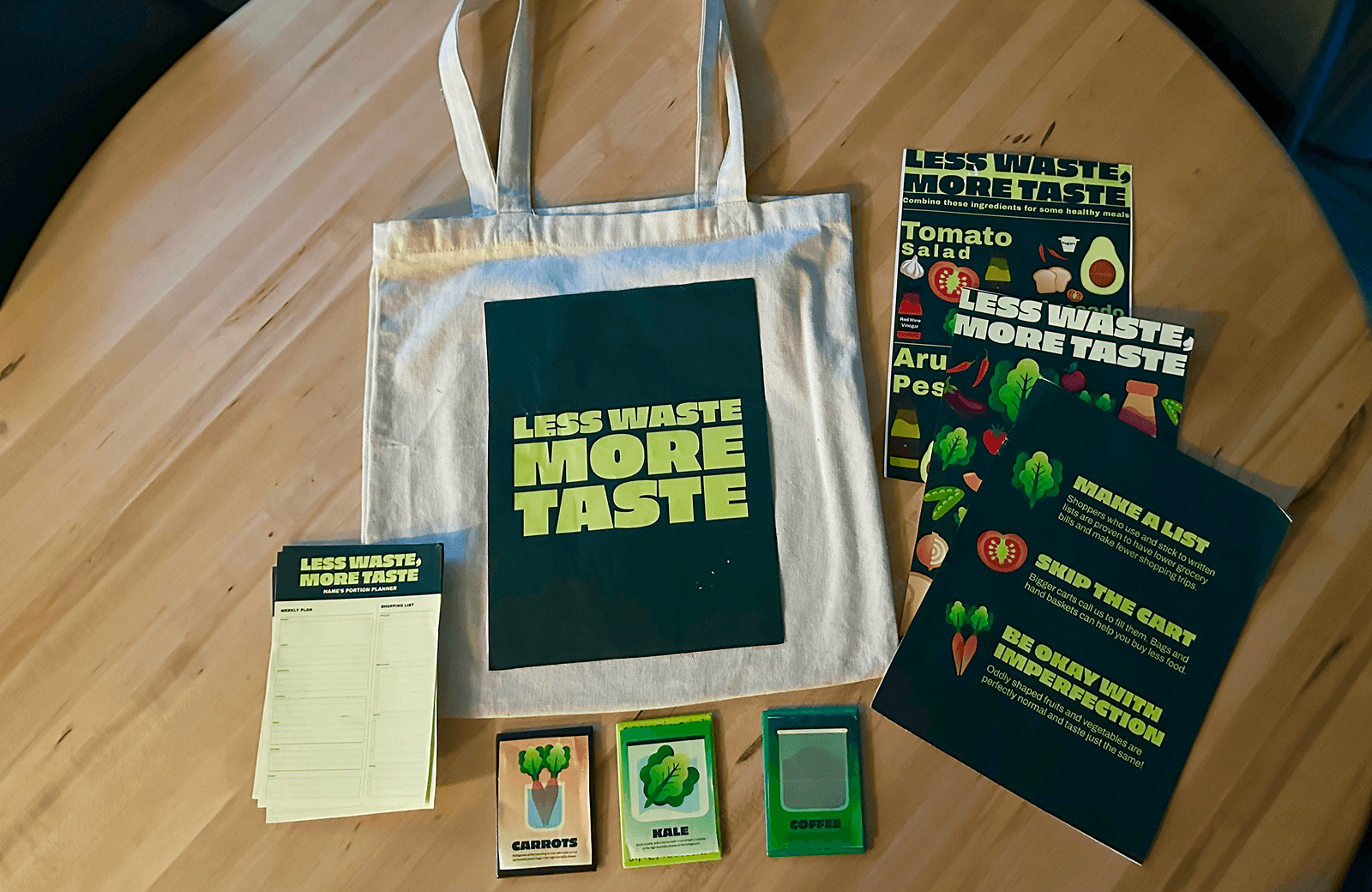
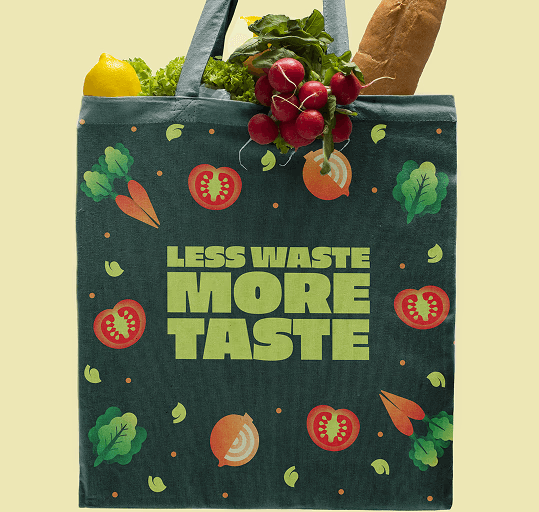
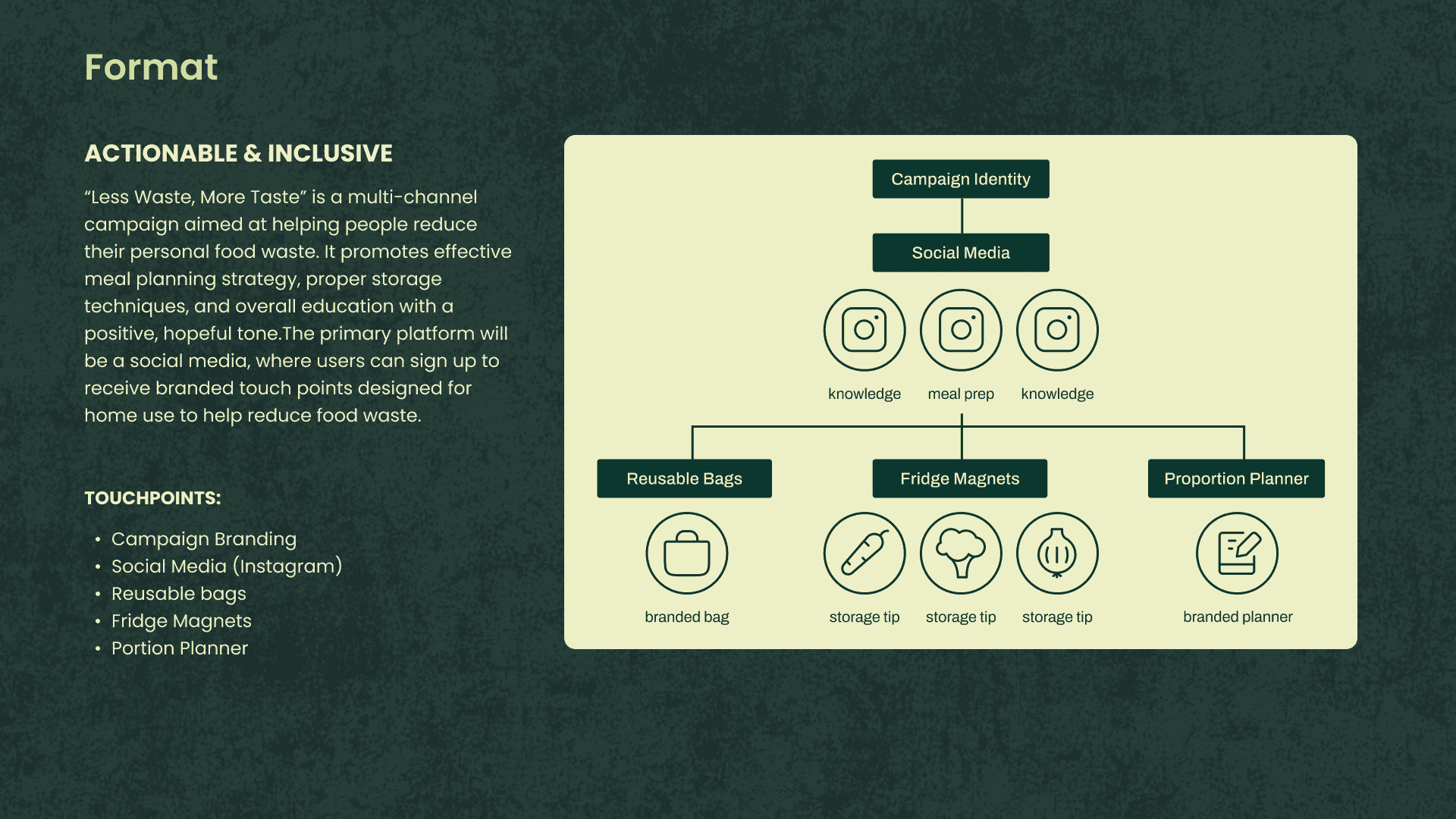
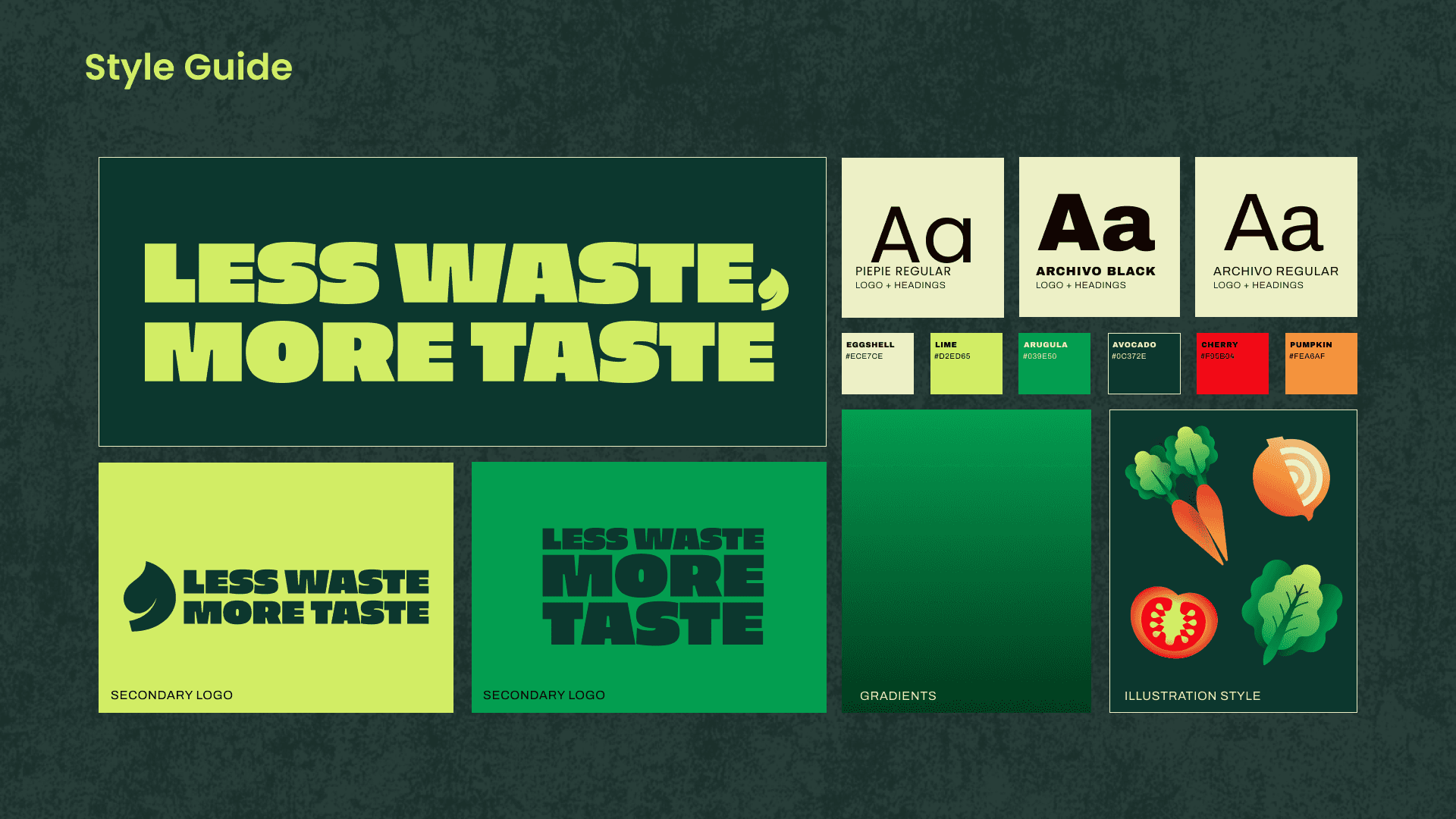
“Less waste, more taste” is a design campaign that raises awareness about food waste and prevention for the average household, providing them with actionable tips and tools to decrease waste.
Our Intended Project Outcomes
Why These Outcomes?
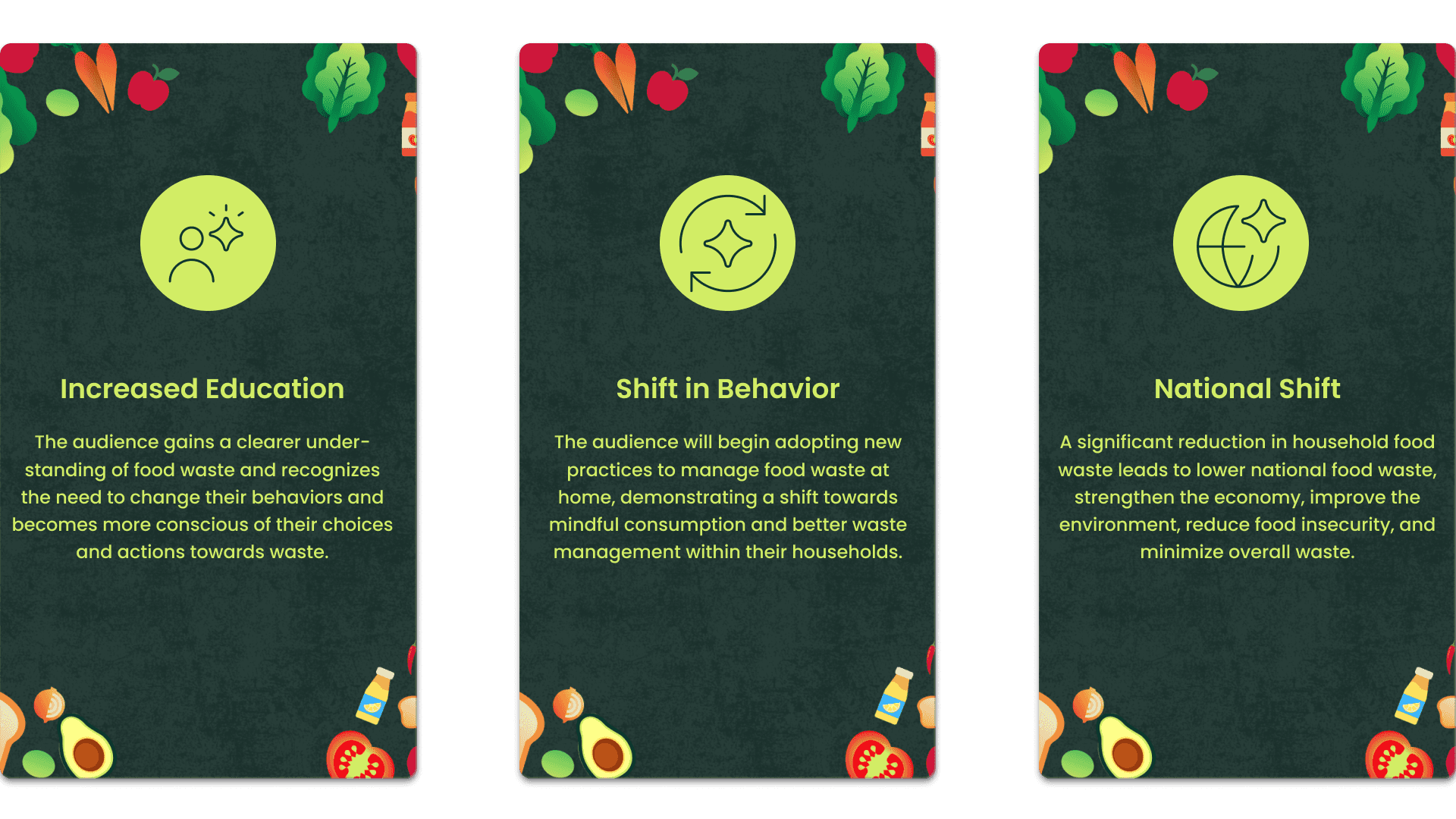
These outcomes build on each other deliberately. Change doesn't start with behavior, it starts with awareness, which is why education comes first: people can't reduce food waste they don't fully recognize themselves contributing to. Once that awareness exists, it naturally pushes toward a shift in behavior, small, repeatable habits like better portioning, storage, or planning that people can actually sustain at home. The national-level outcome is the payoff of those individual shifts multiplied across households: less food waste at scale means real economic, environmental, and food-security impact. Structuring the outcomes this way kept the project grounded in something realistic, individual behavior change, rather than jumping straight to a broad societal claim the design alone couldn't deliver on.
Phase 02
Our Approach to Data Collection
Research Methods + Insights
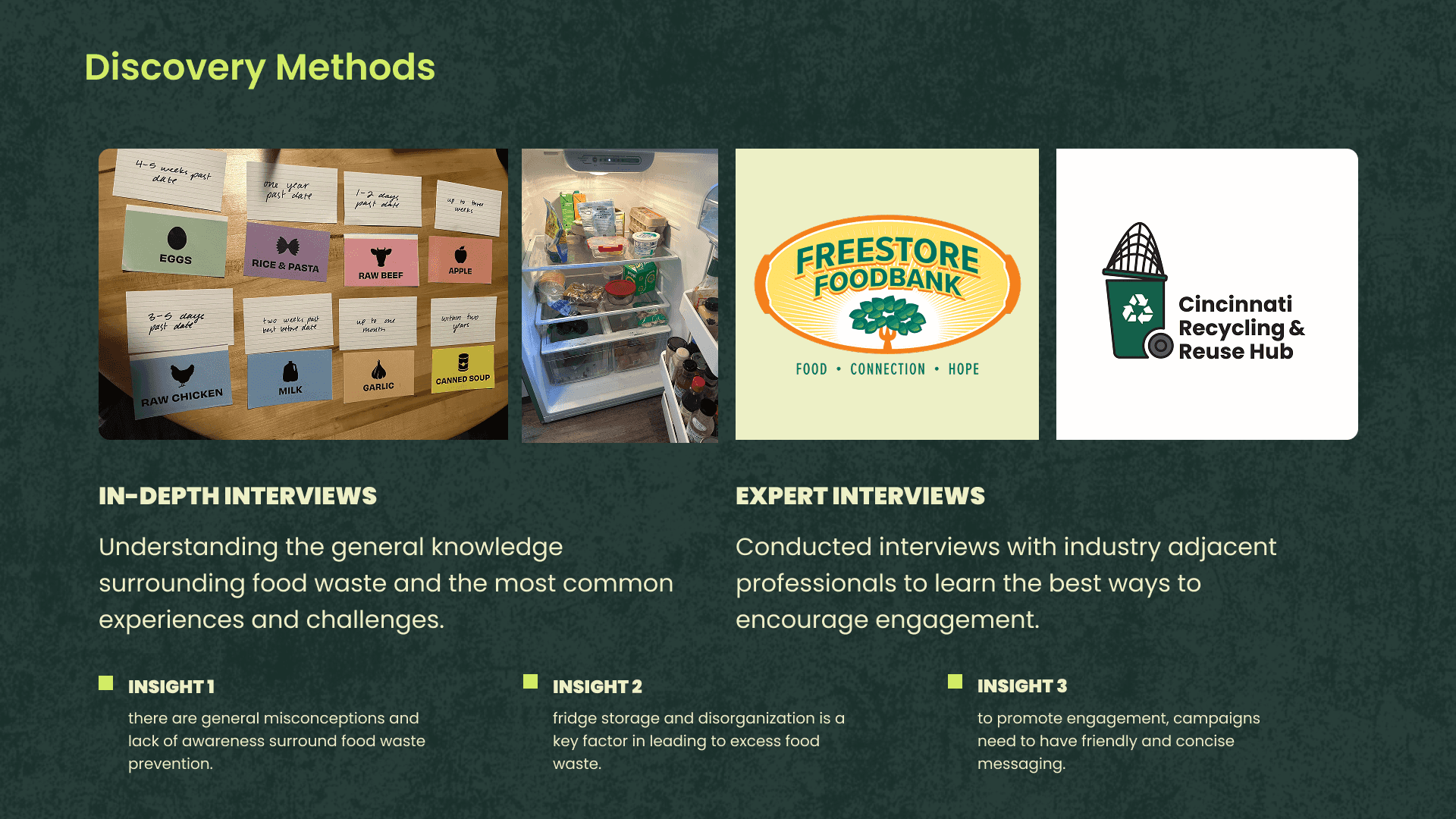
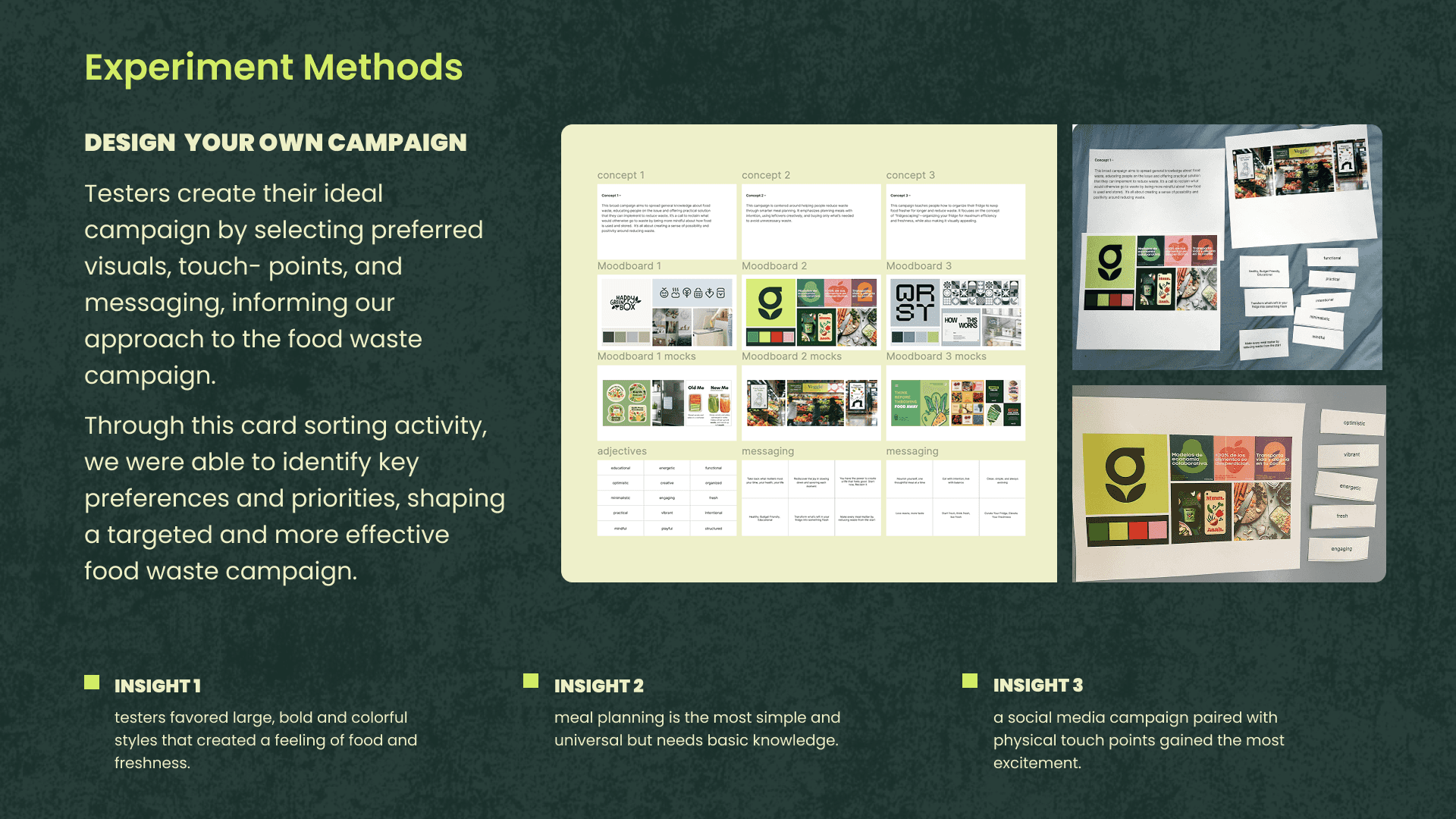
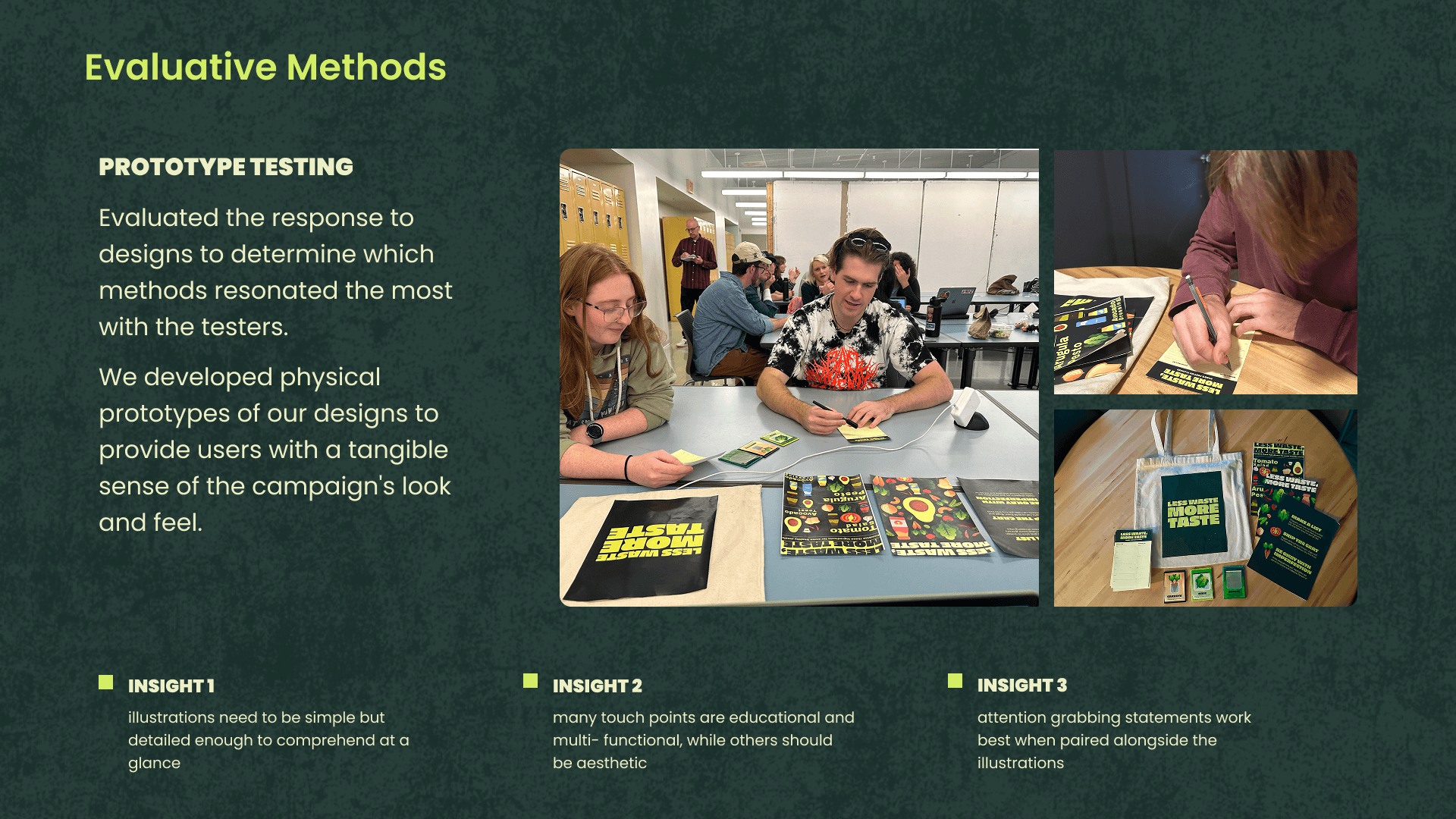
Phase 03
Final Proposal
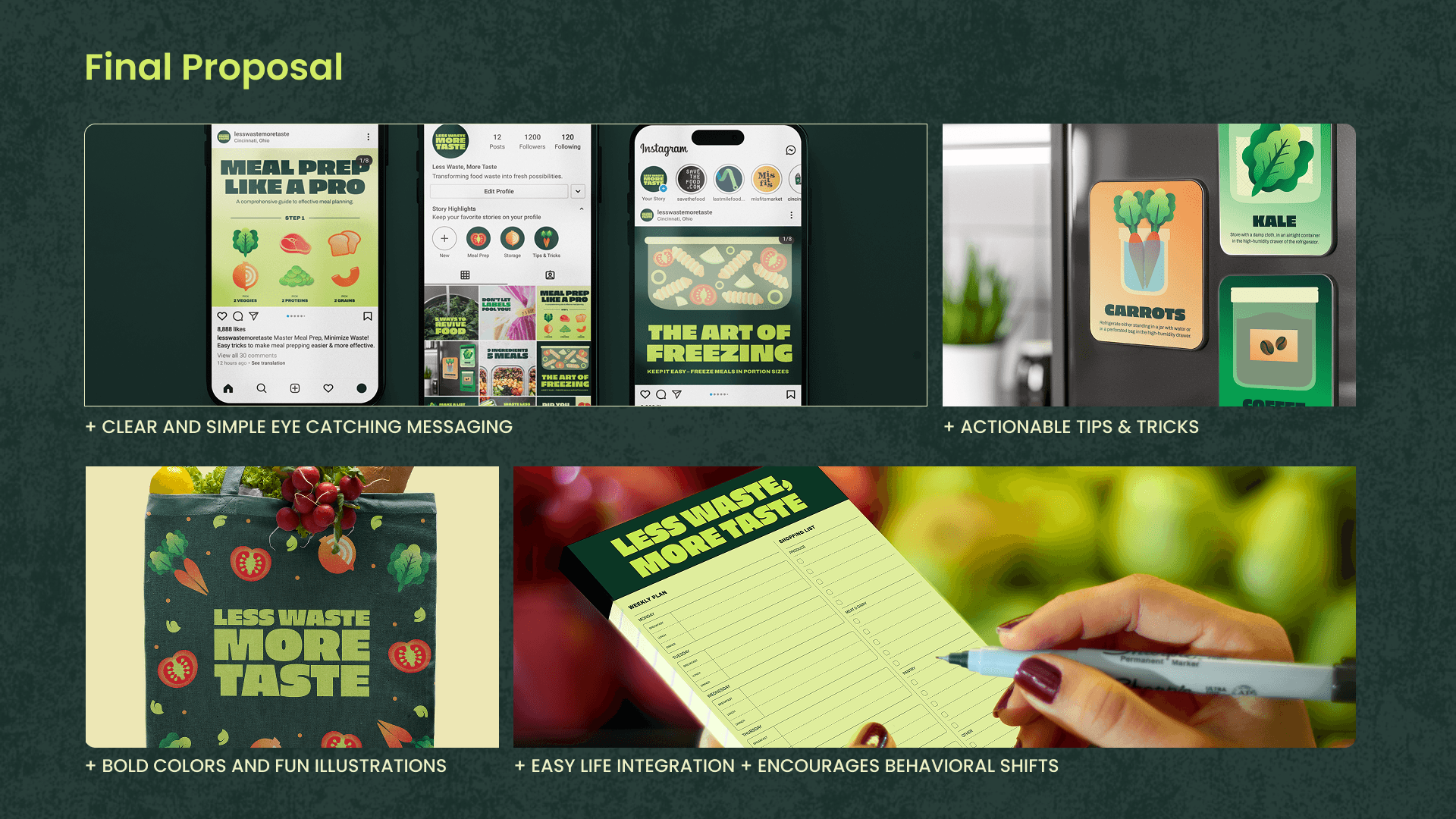
Proposal Intended Outcomes
Is this Proposal Effective?
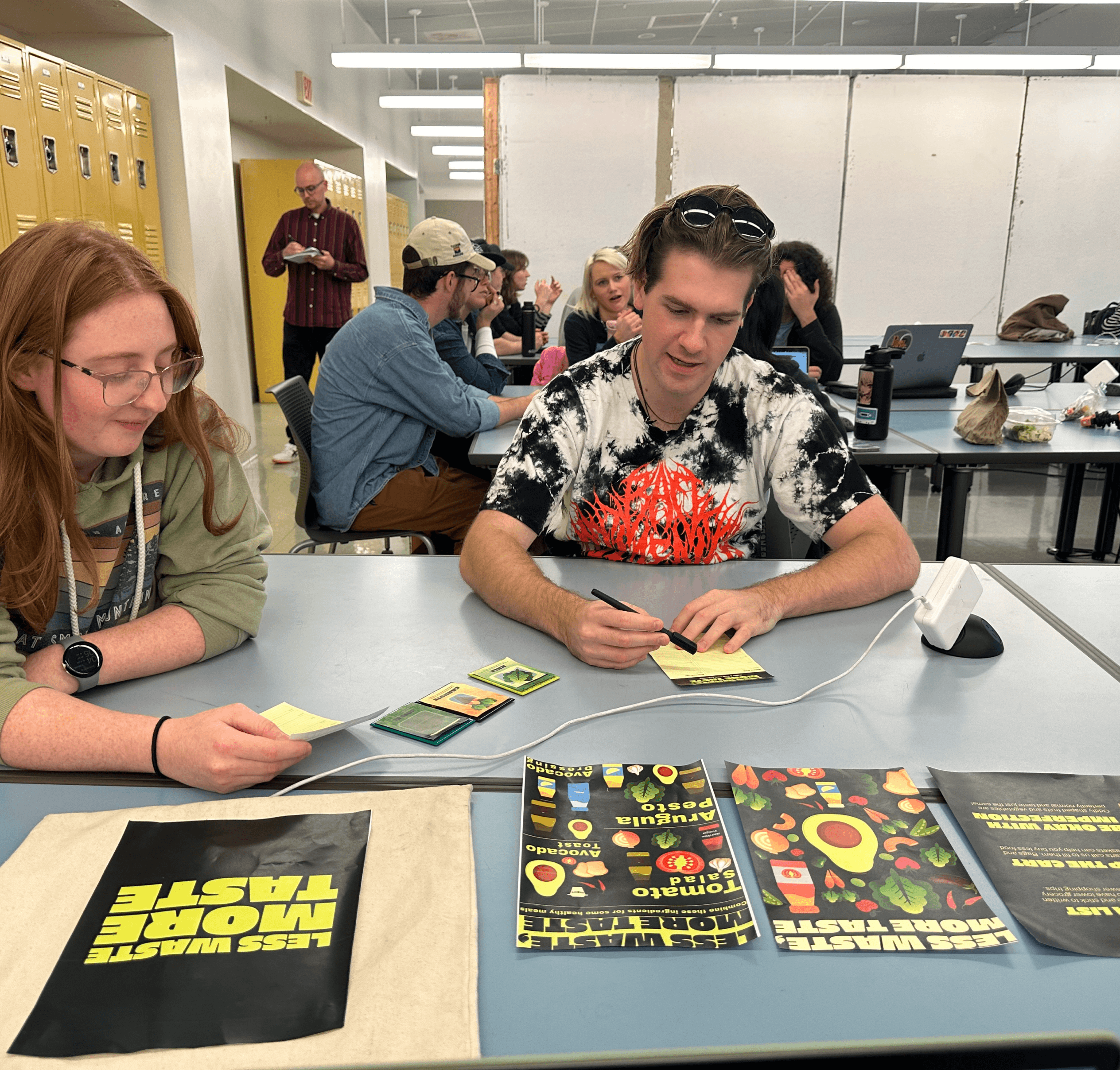
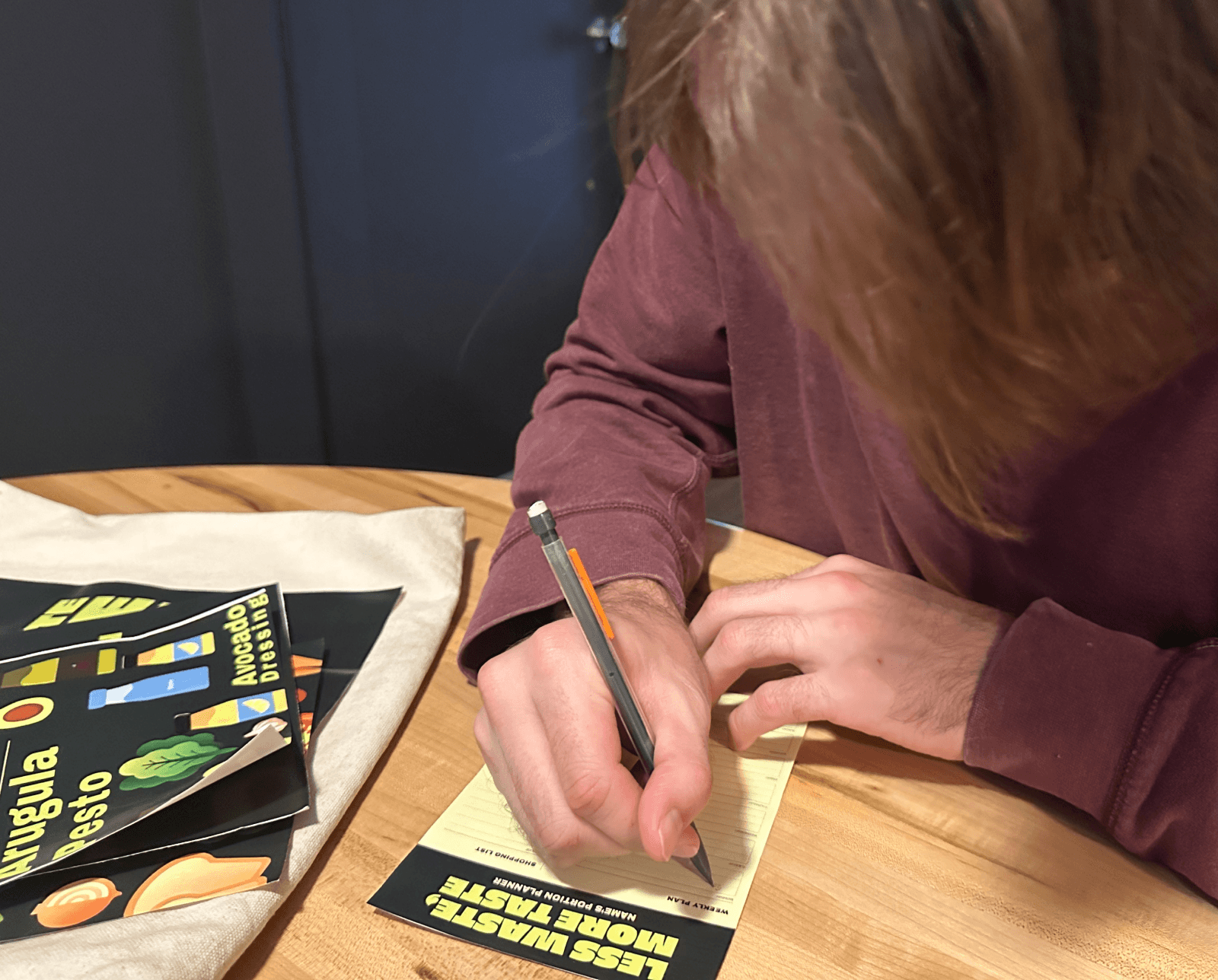
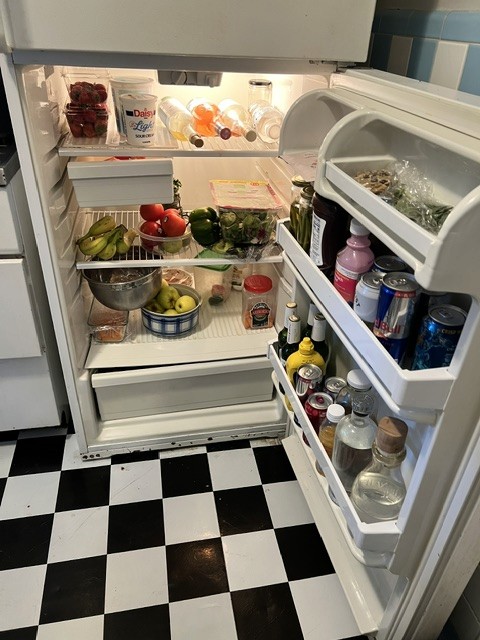
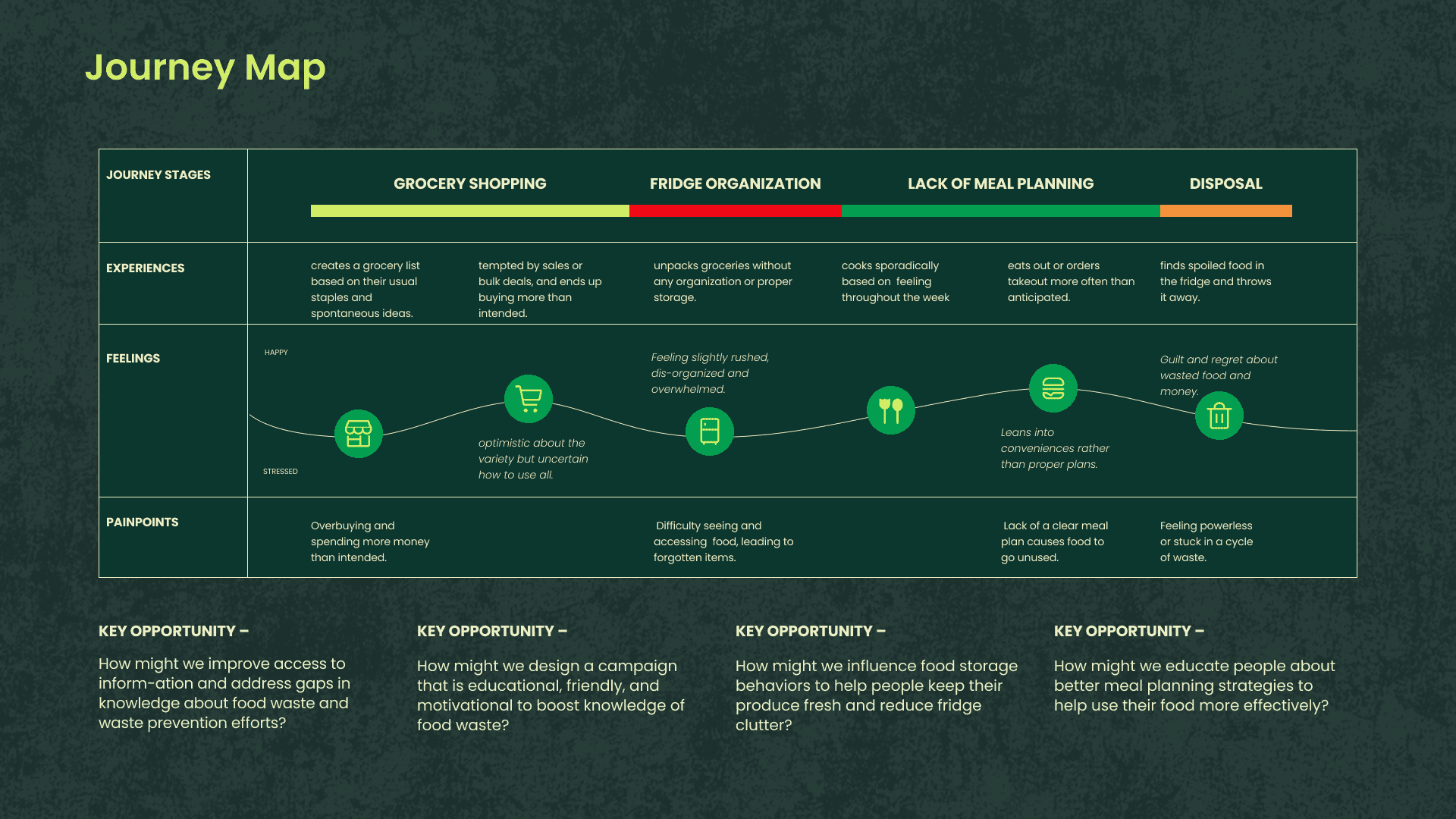
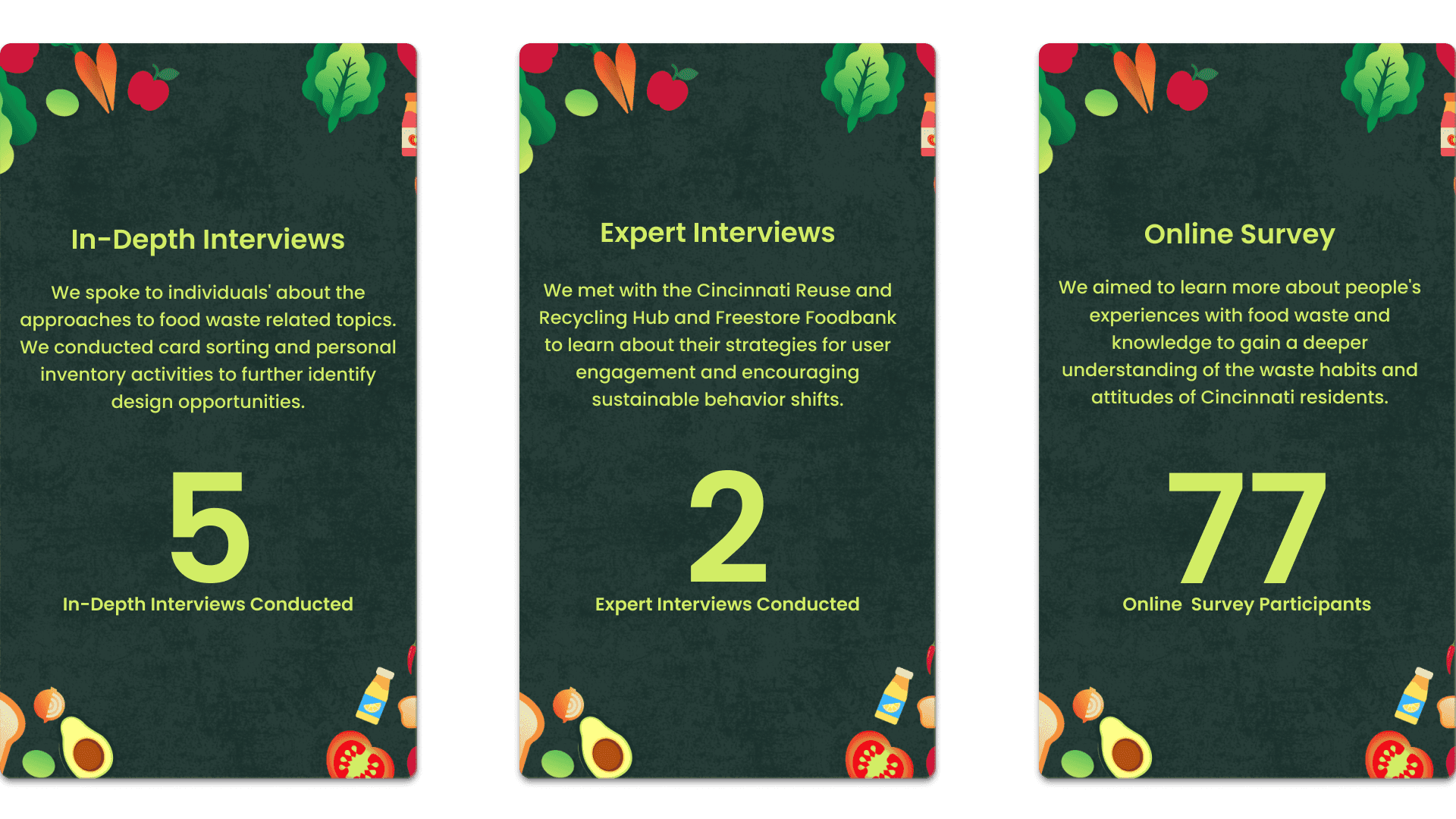
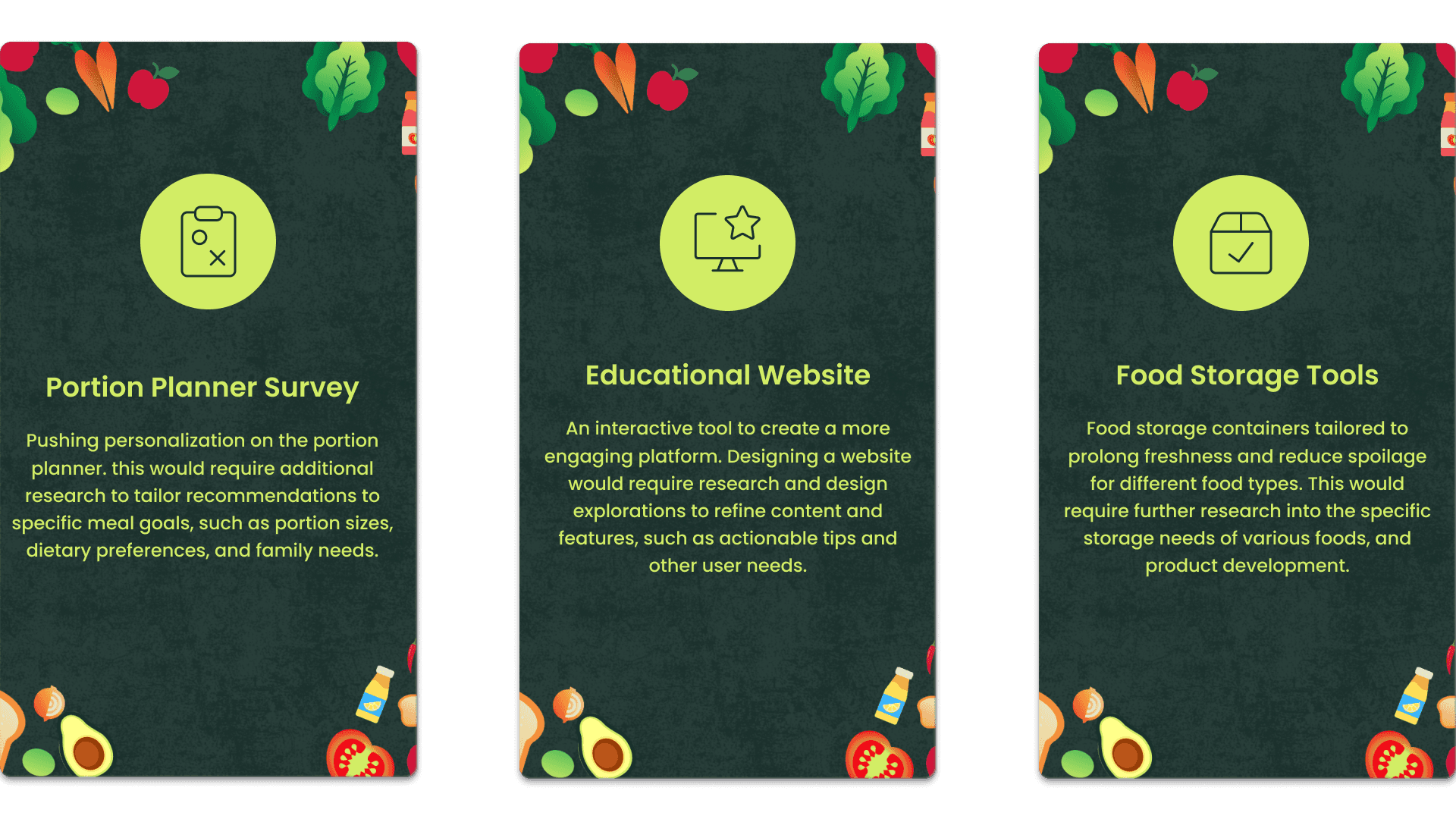
Each of these touchpoints traces directly back to real data from our interviews and testing, not assumptions about what people needed. The Portion Planner Survey responds to the misconceptions and lack of awareness our in-depth interviews surfaced early on, people weren't wasting food out of carelessness, they simply didn't know how to plan portions around their actual habits. The Educational Website builds on what we learned from expert interviews and our card-sorting experiment: testers gravitated toward bold, simple visuals and favored meal planning as the most universal entry point, so the site is designed to deliver that kind of content in an approachable, low-effort format. The Food Storage Tools address one of our clearest insights, that fridge storage and disorganization were a major driver of avoidable waste, and our prototype testing confirmed that people respond best to tangible, physical solutions paired with clear, concise messaging. Because each outcome is backed by a specific insight from real participants rather than a general assumption, the proposal stays grounded in what actually moves behavior instead of what simply sounds good on paper.
Phase 04
Conclusion
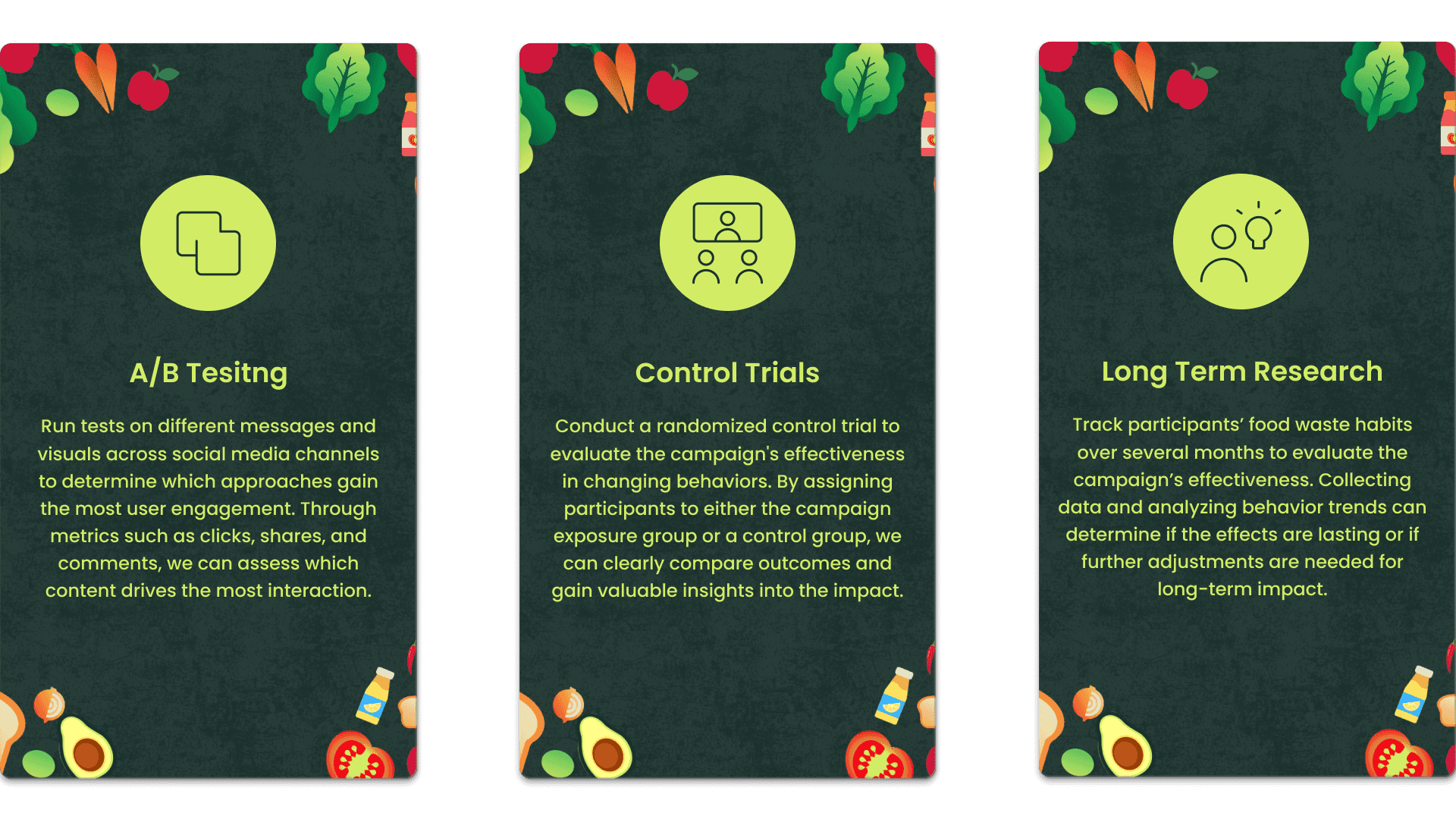
Next Steps
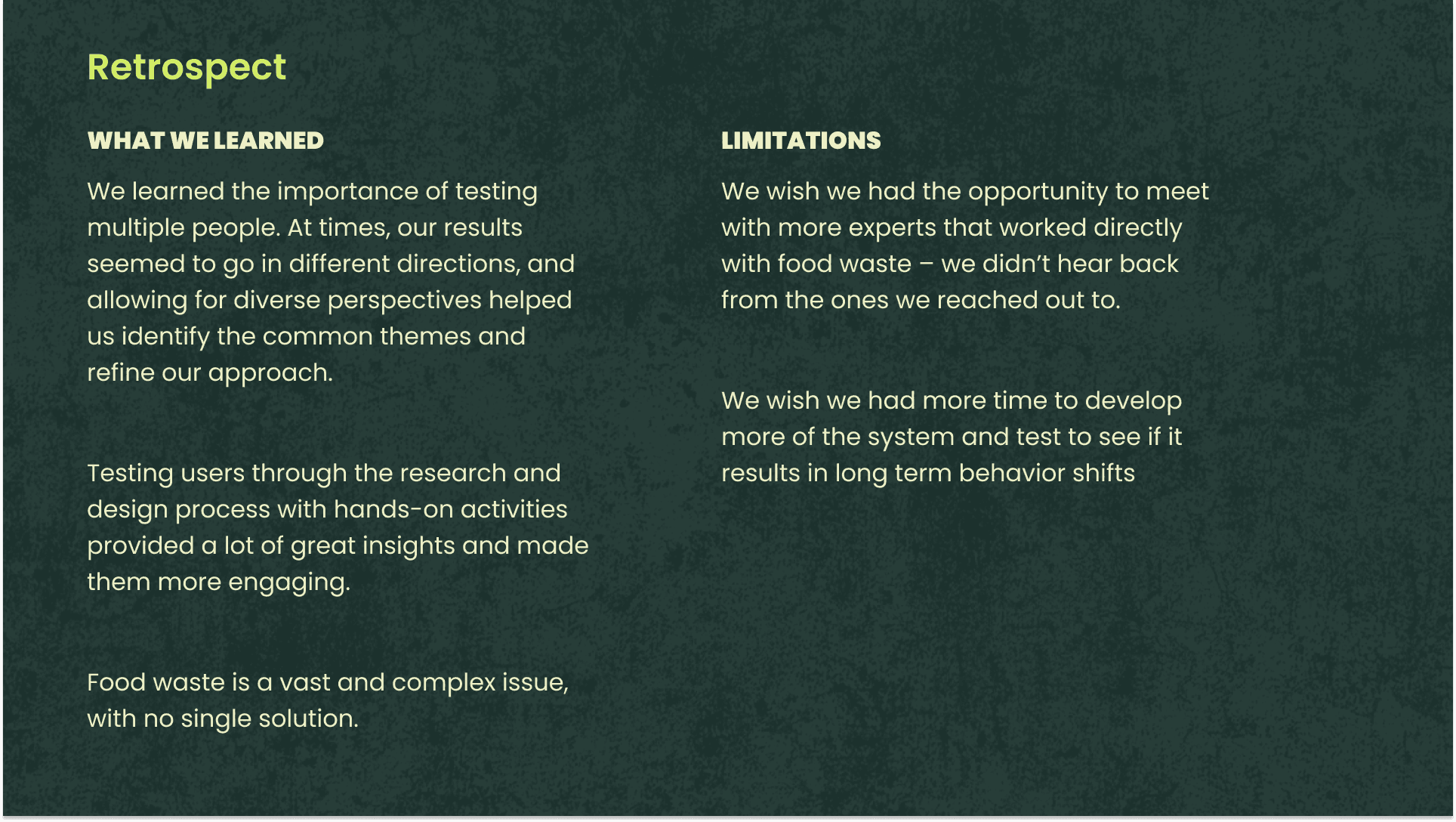
Key Takeaways
Research drives design decisions. Data and insights uncover opportunities we couldn’t achieve through intuition alone.
This project reinforced the importance of deeply understanding a client’s real-world challenges. Without research and empathy, it’s impossible to design solutions that truly address their needs.
Project Highlights