Role
Team
Timeline
Summary
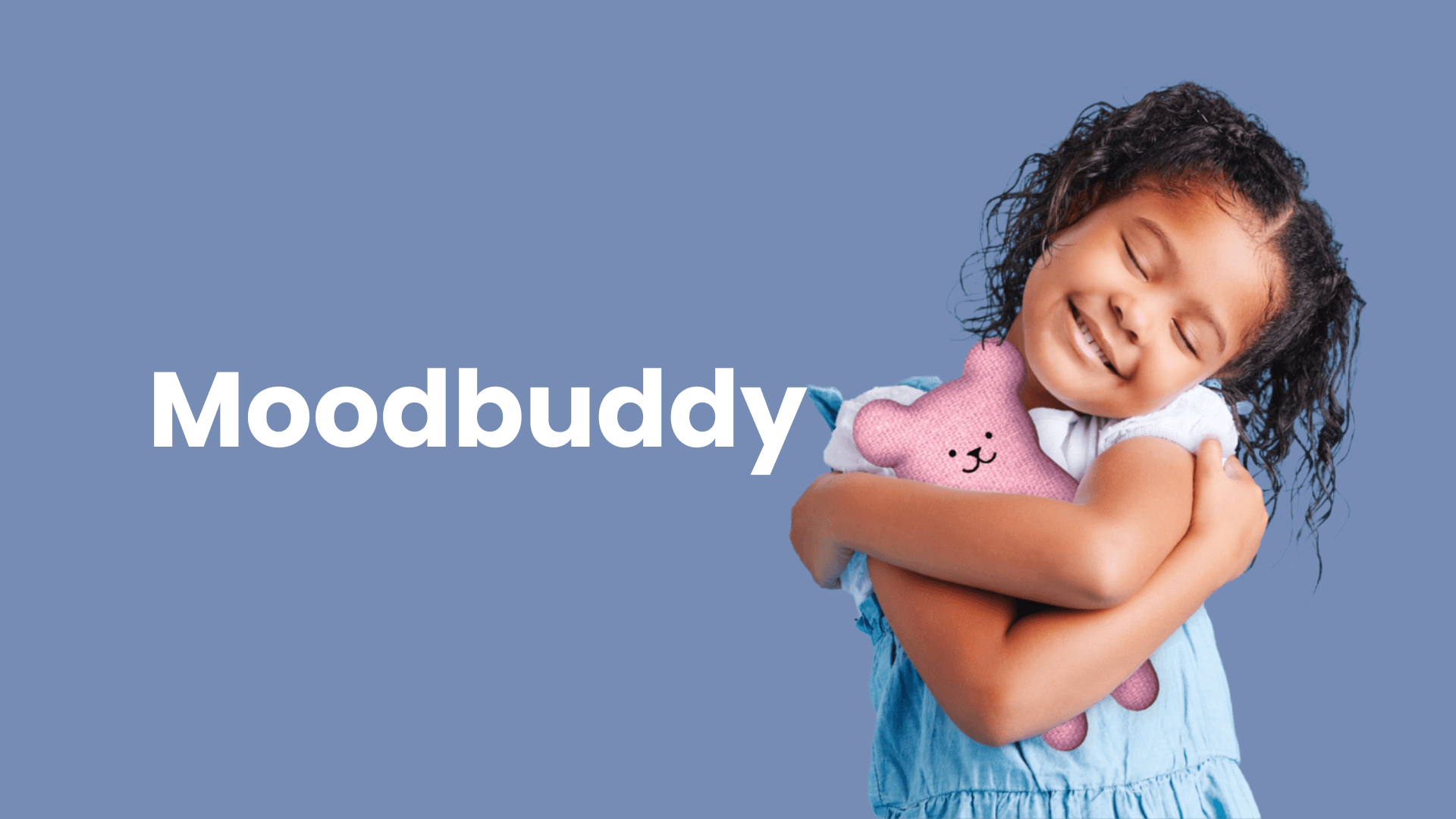
In Fall 2024, I had the privilege of participating in DAAP’s Collaborative Studio focused on Children’s Service Design. Throughout the semester, I worked closely with a team of peers on a comprehensive service design project aimed at supporting emotional regulation in children under 12. Our solution, Moodbuddy, is an interactive service designed for parents and children to foster emotional awareness, strengthen connections, and promote healthy communication. Moodbuddy transforms parenting into a collaborative partnership, helping families navigate emotions together while enhancing educational engagement in today’s digital age.
Phase 01
Project Frame
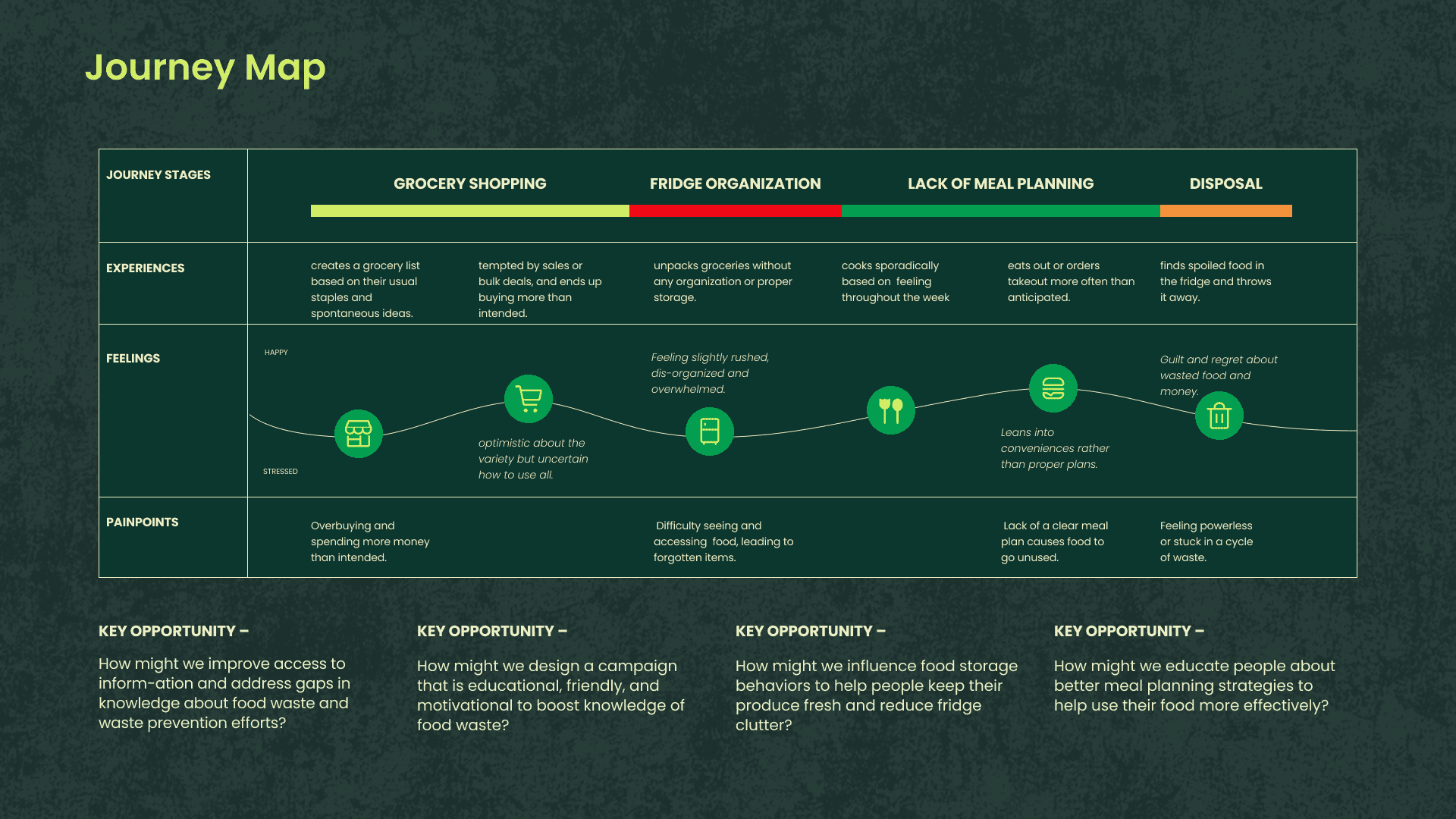
Excessive food waste in the cincinnati is driven by a lack of consumer awareness and widespread misunderstandings of food lifetime, leading to the premature disposal of still-edible food.
The Problem
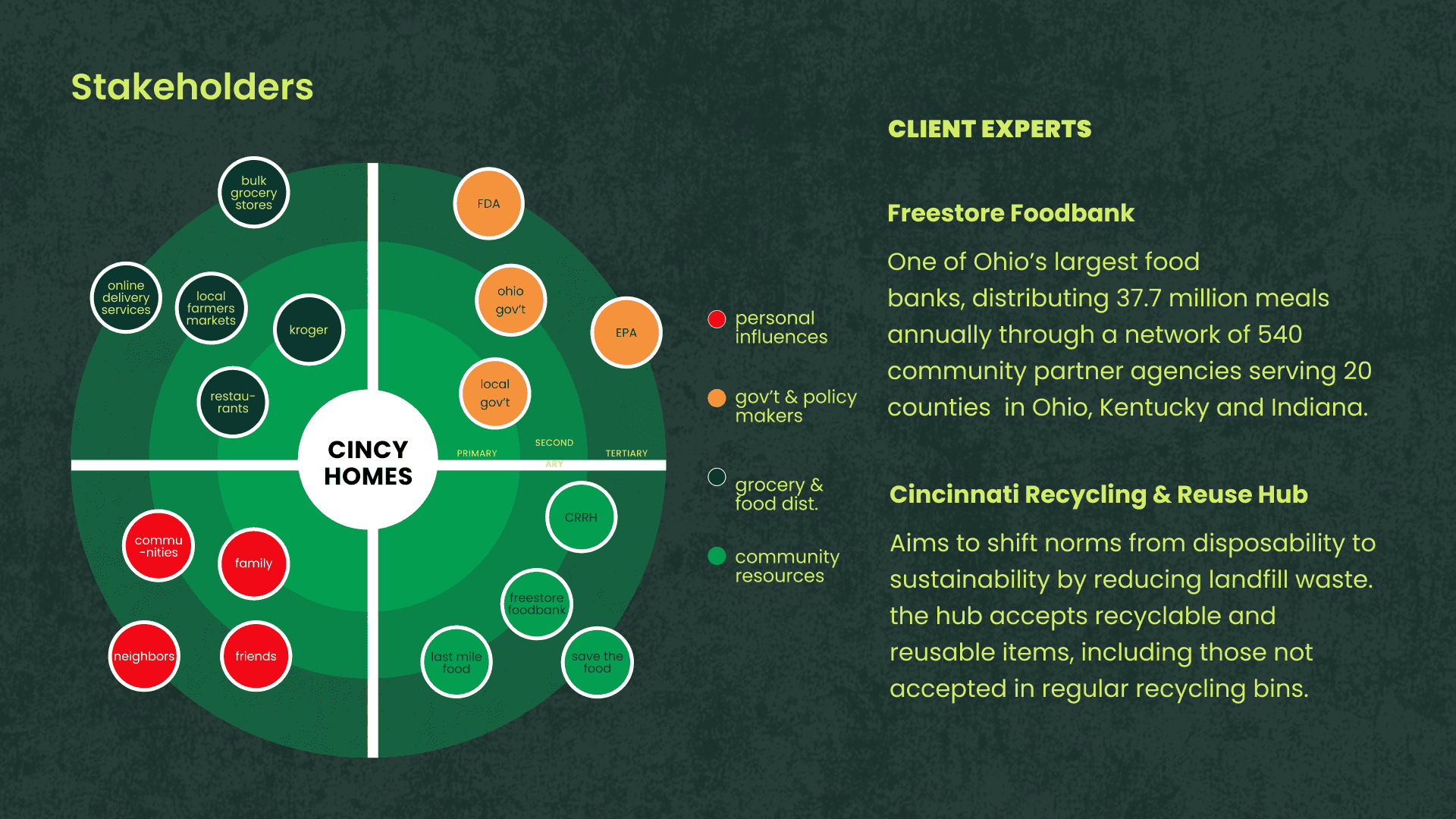
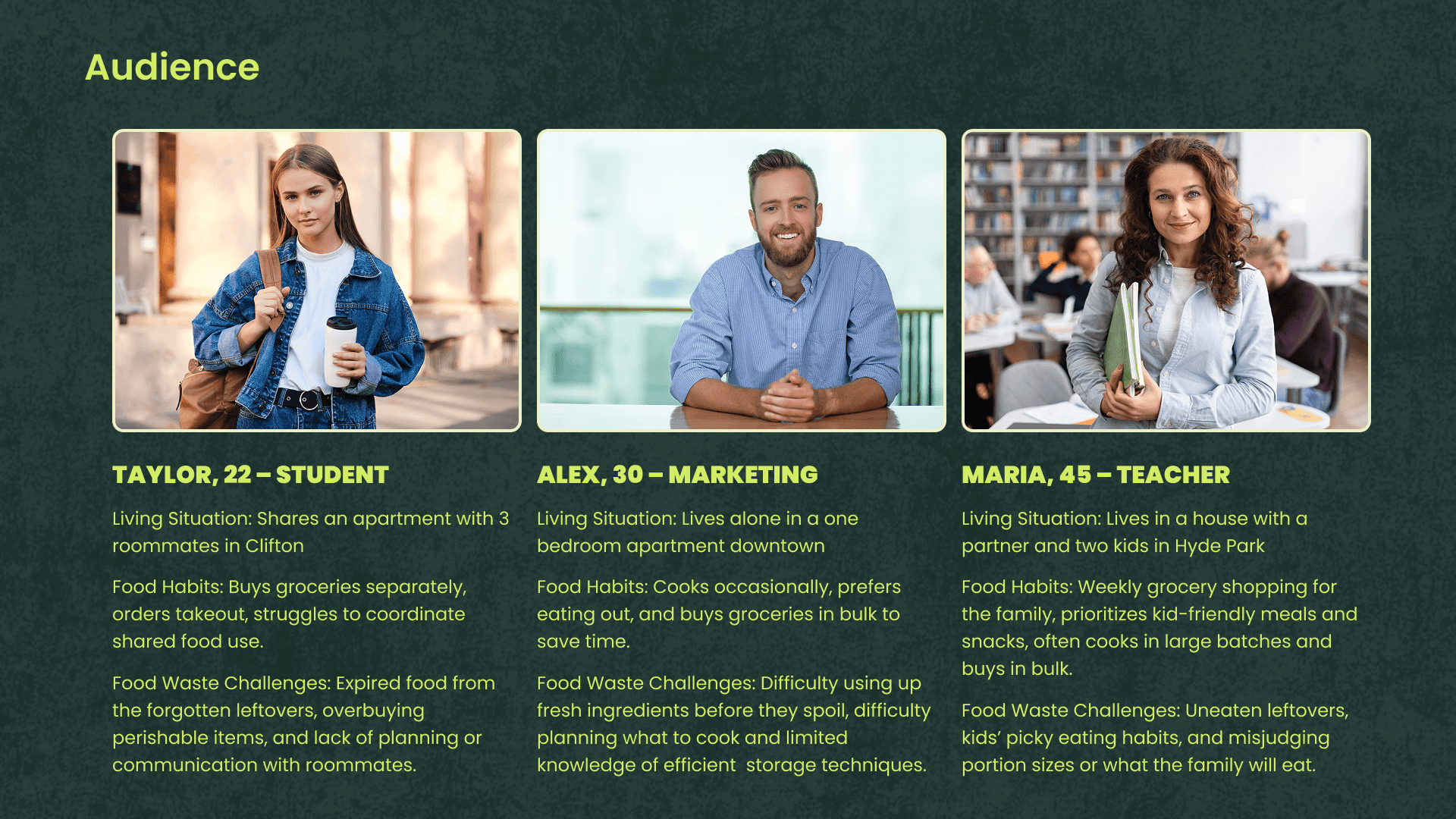
There is a lack of effective systems in place for managing food waste within the home, making it difficult for people to take meaningful action. Without the proper guidance and education, households have become one of the largest contributors to food waste in landfills.
Our Solution
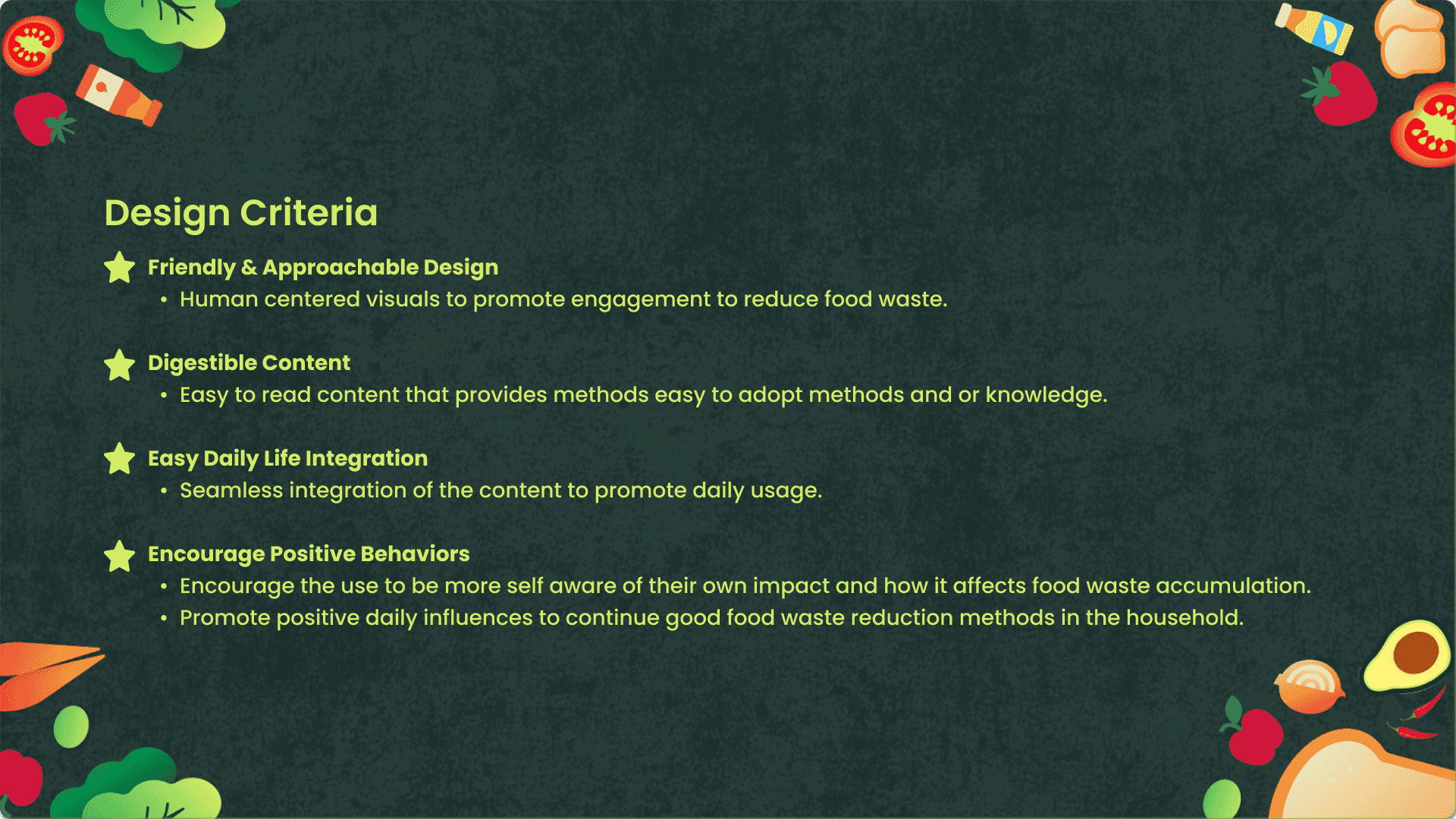
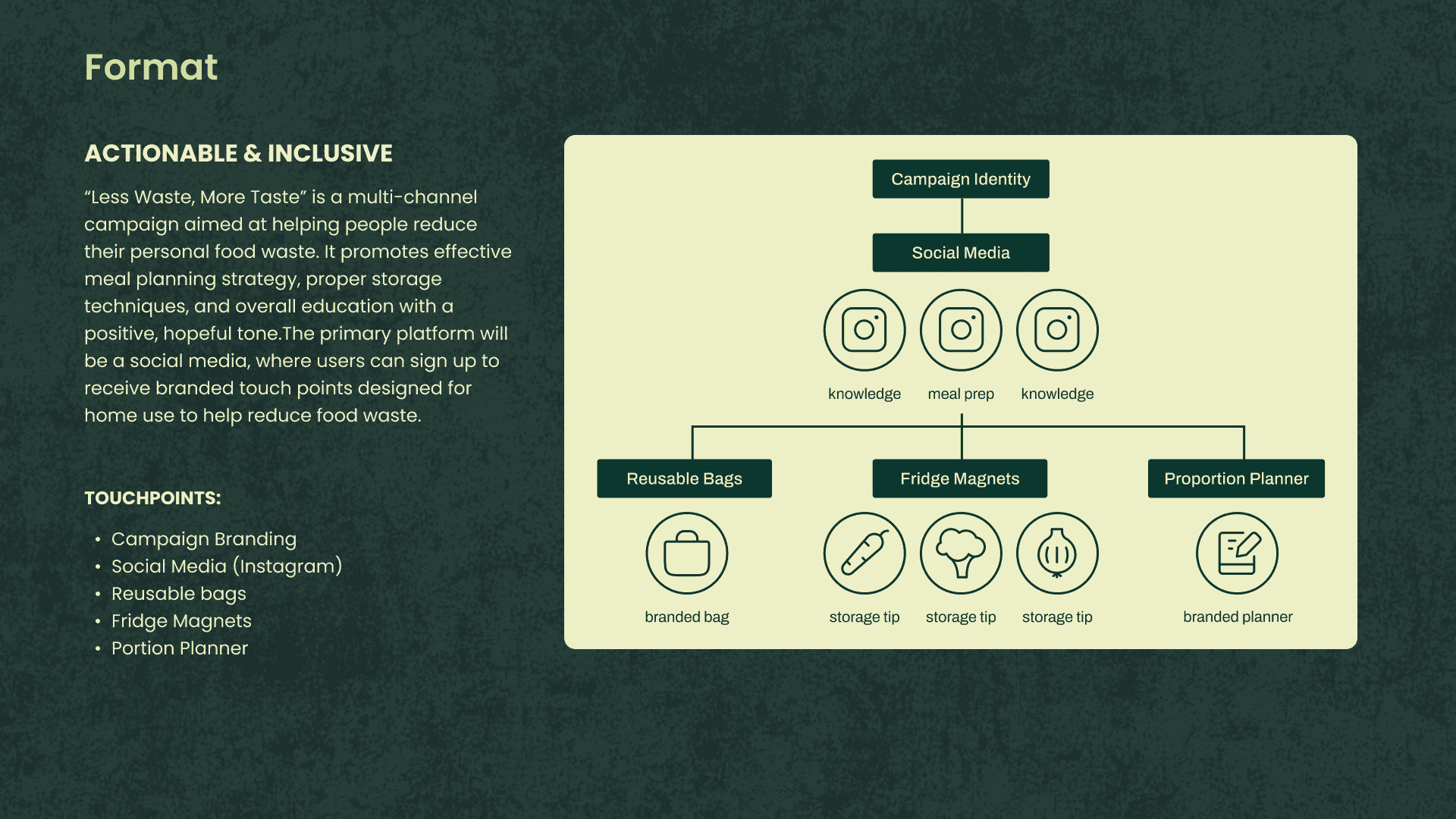
“Less waste, more taste” is a design campaign that raises awareness about food waste and prevention for the average household, providing them with actionable tips and tools to decrease waste.
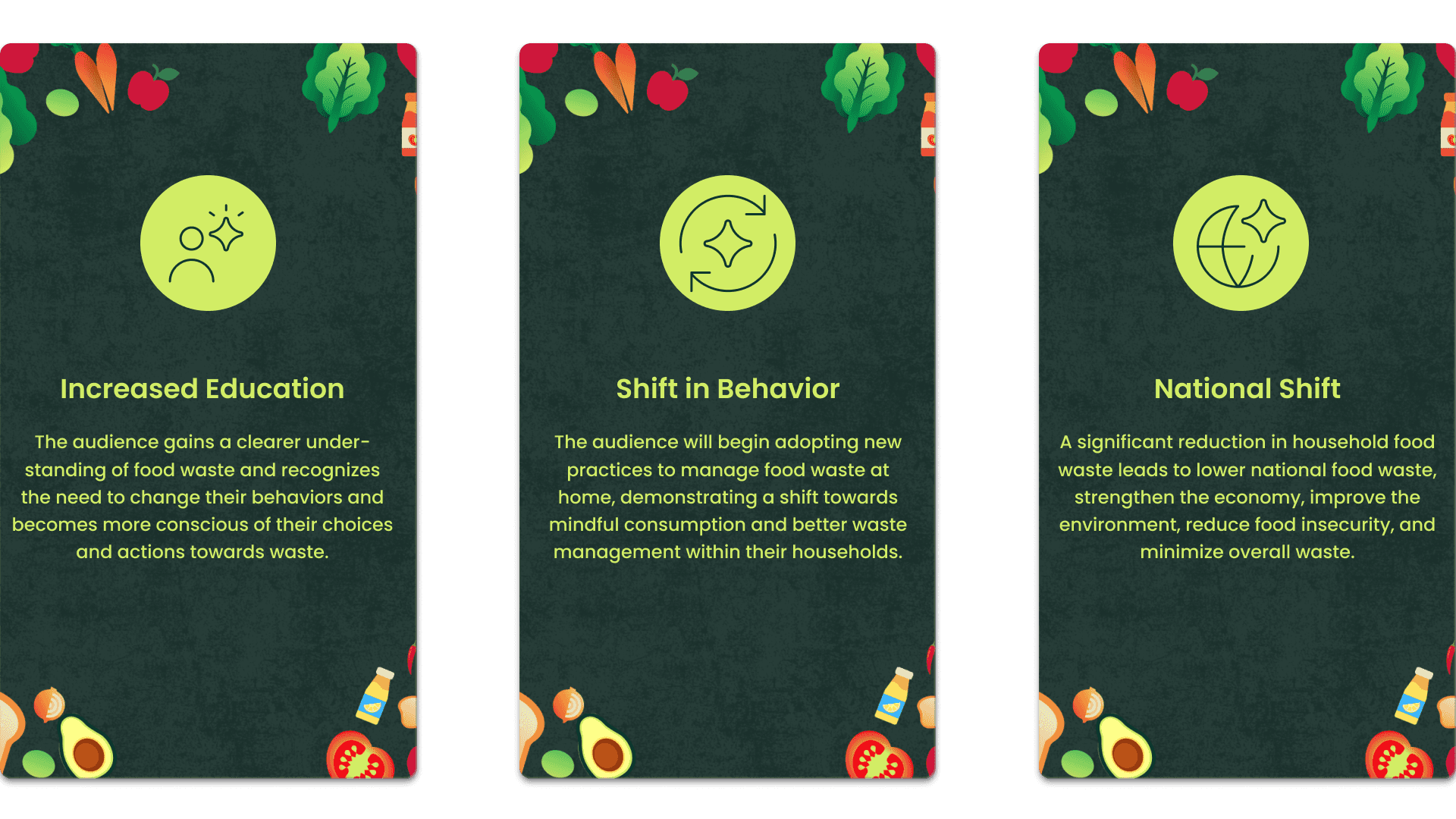
Our Intended Project Outcomes
Phase 02
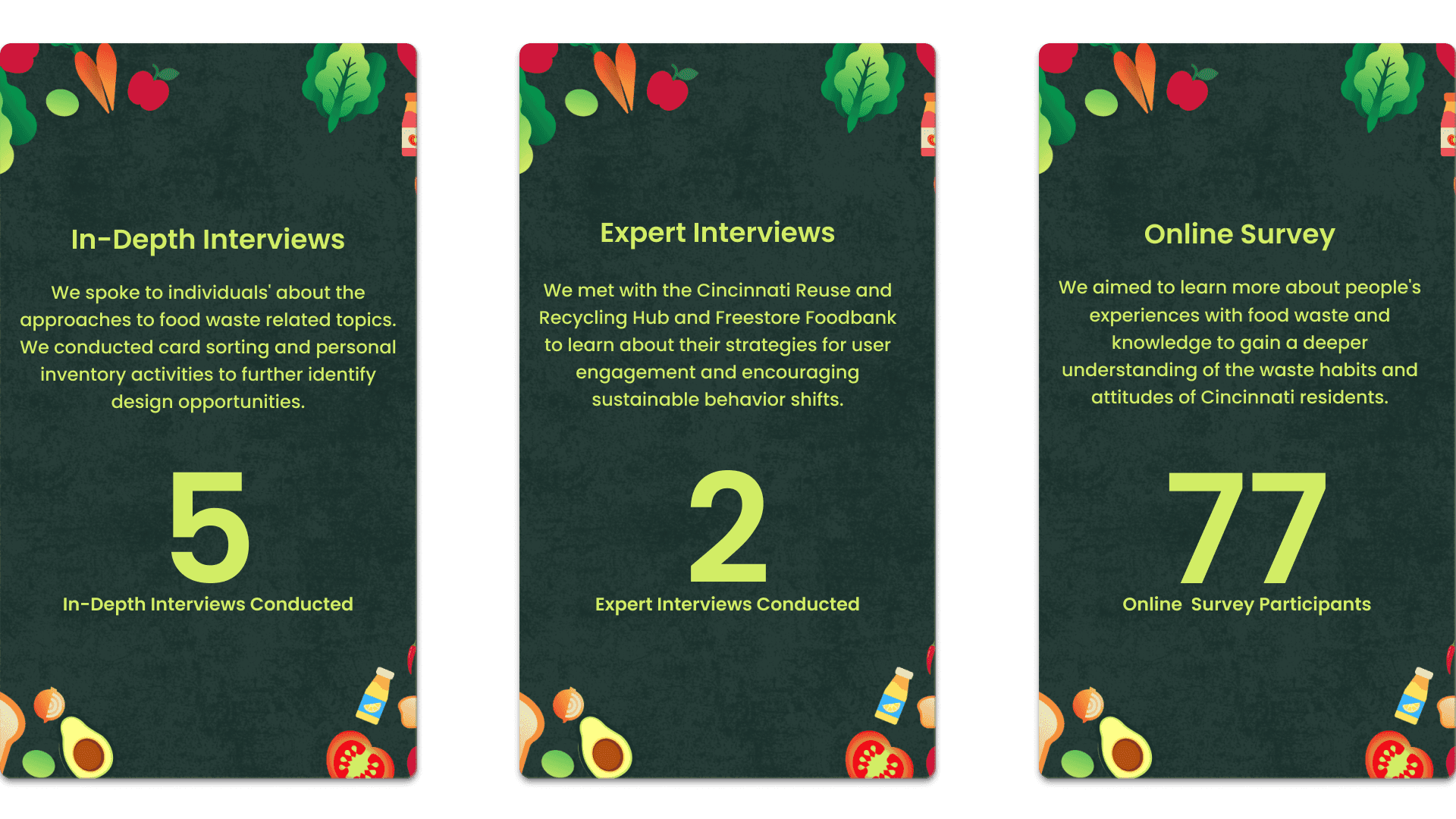
Our Approach to Data Collection
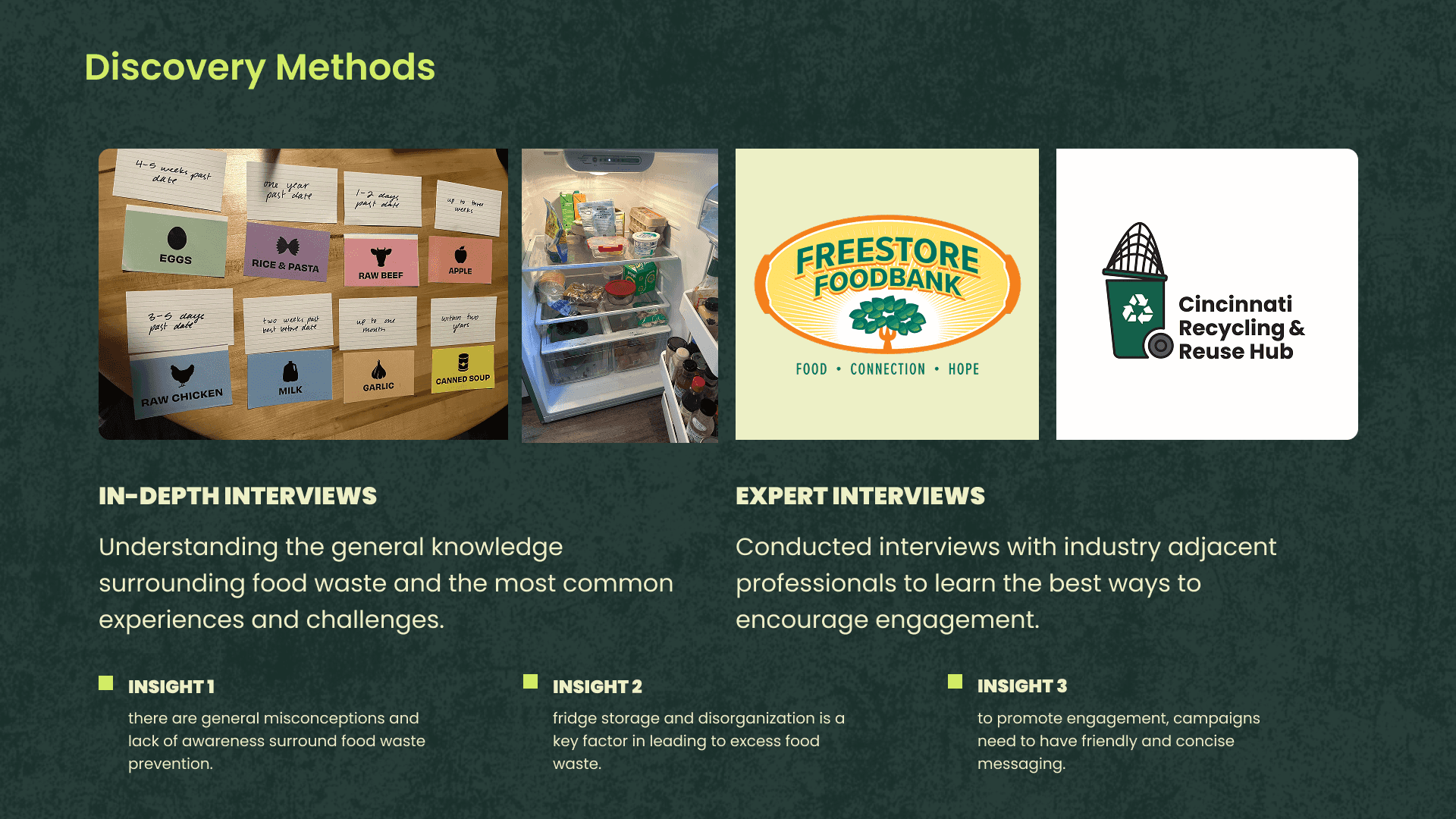
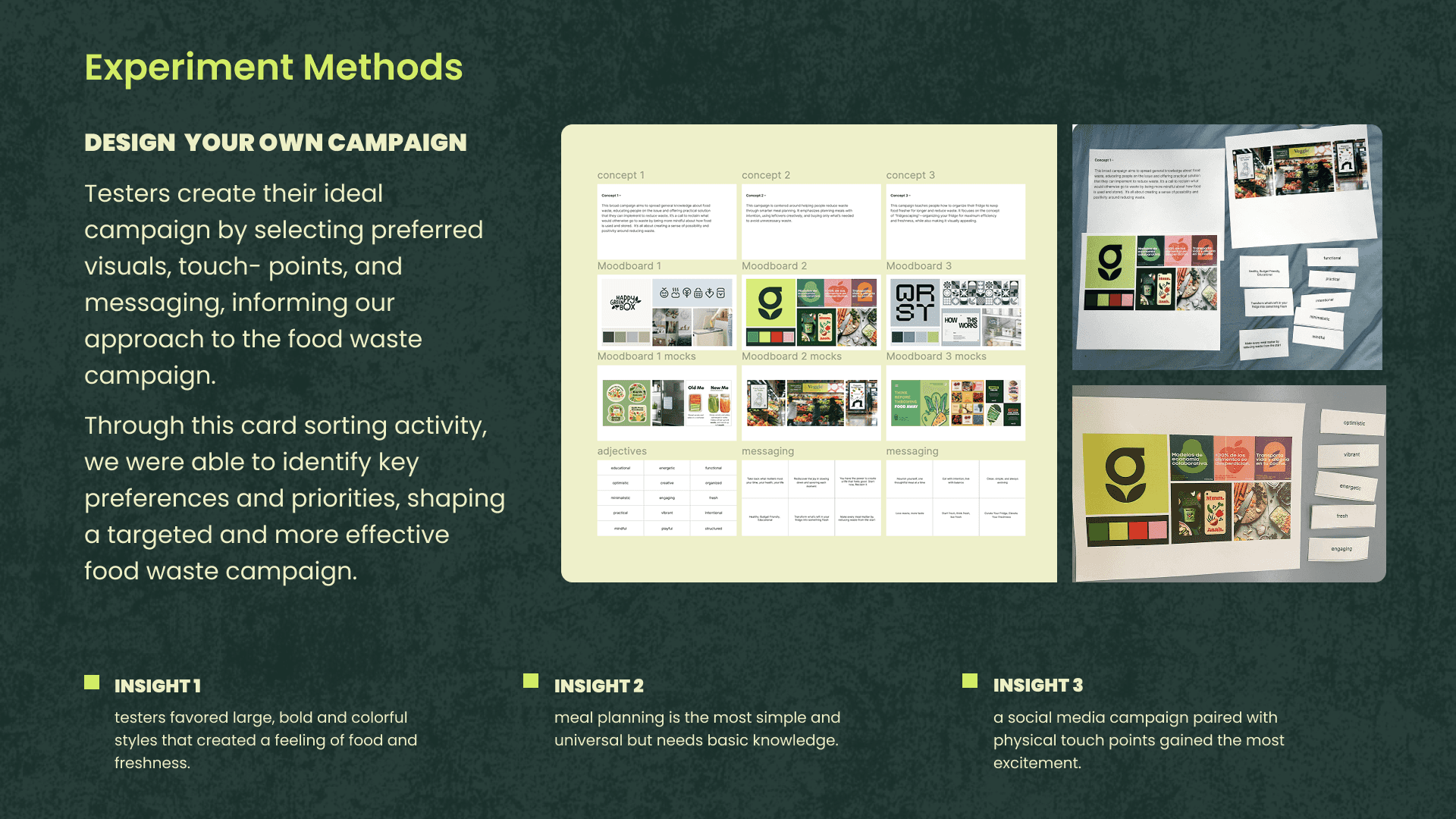
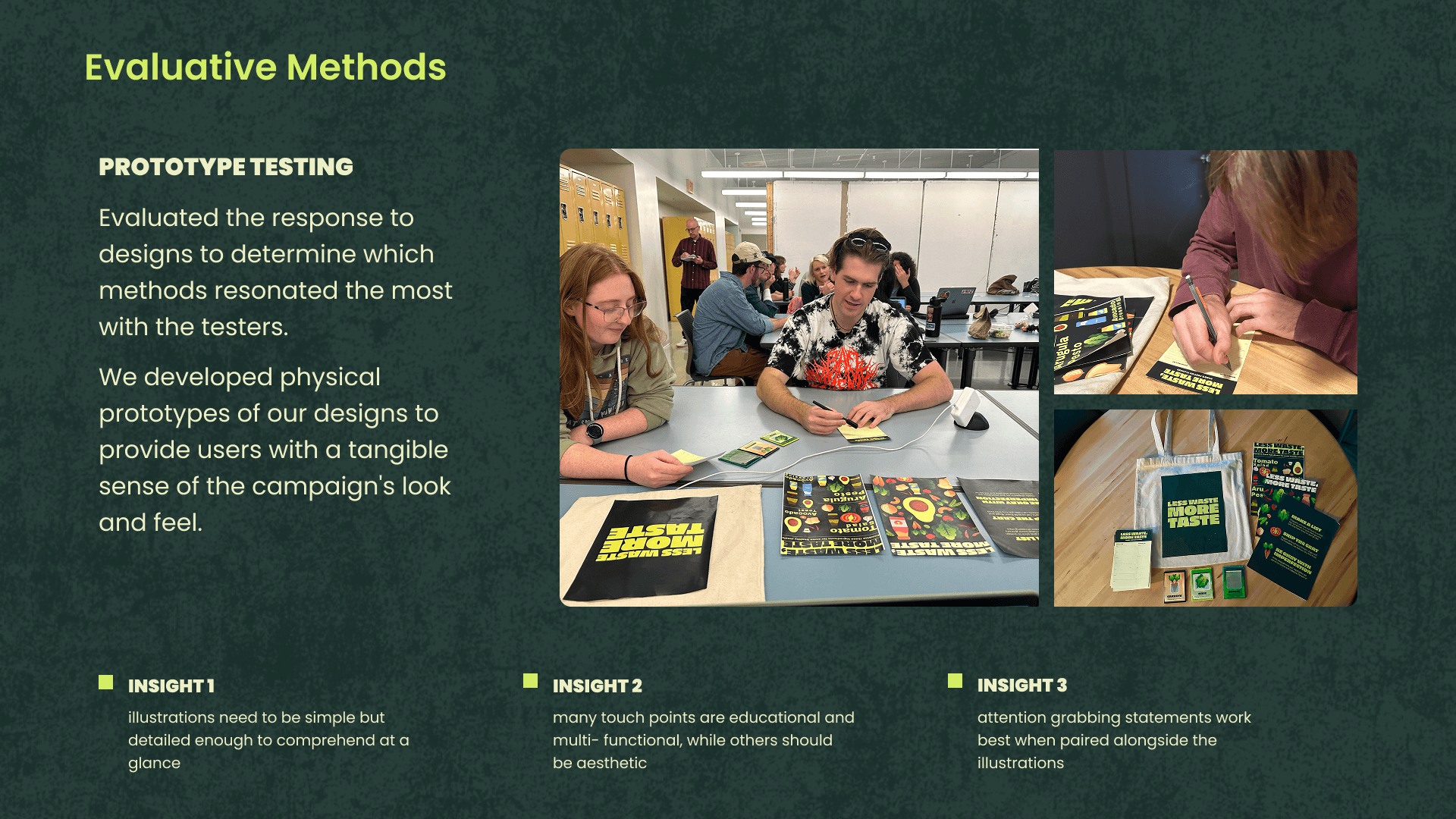
Research Methods + Insights
Phase 03
Final Proposal
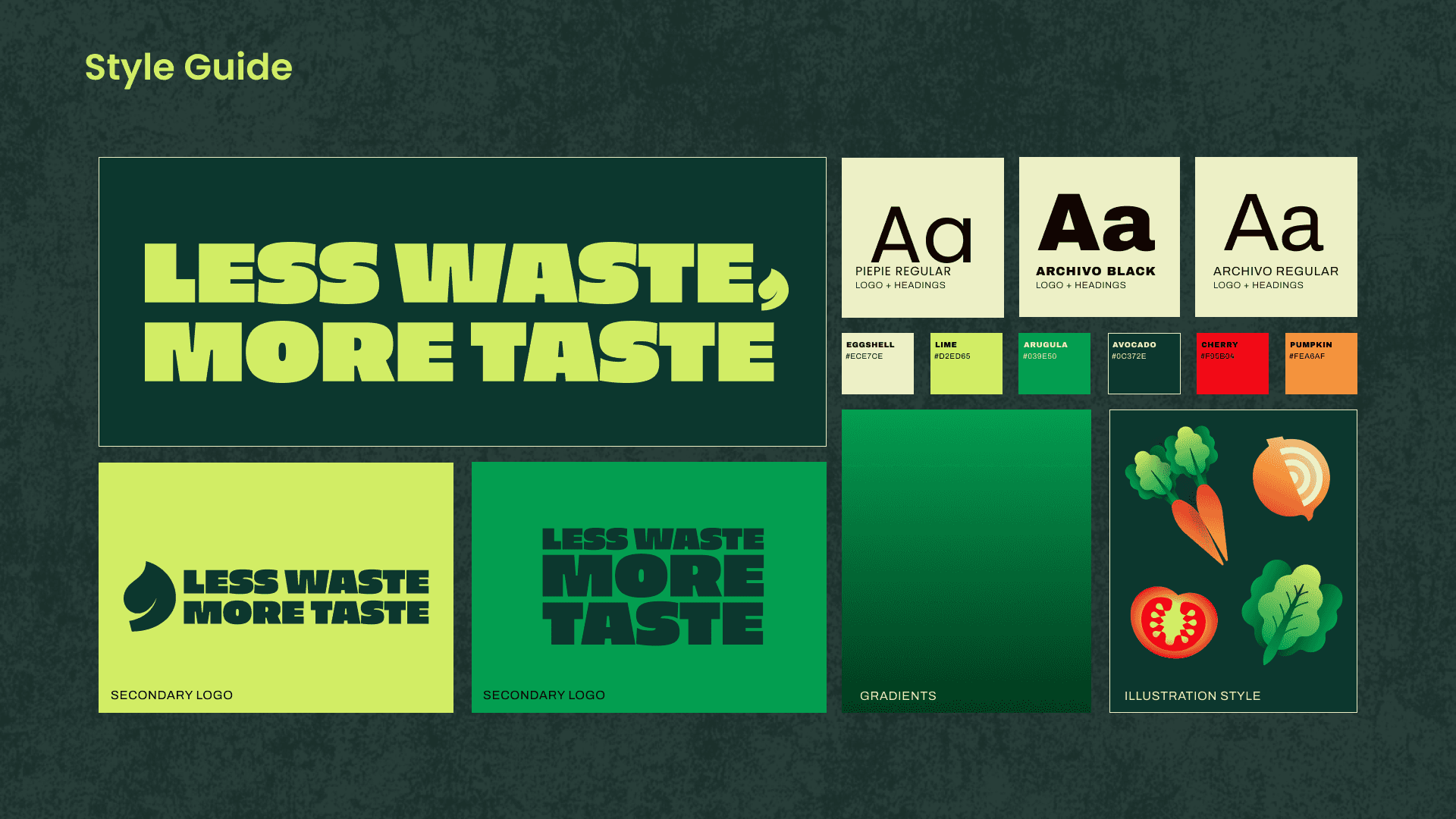
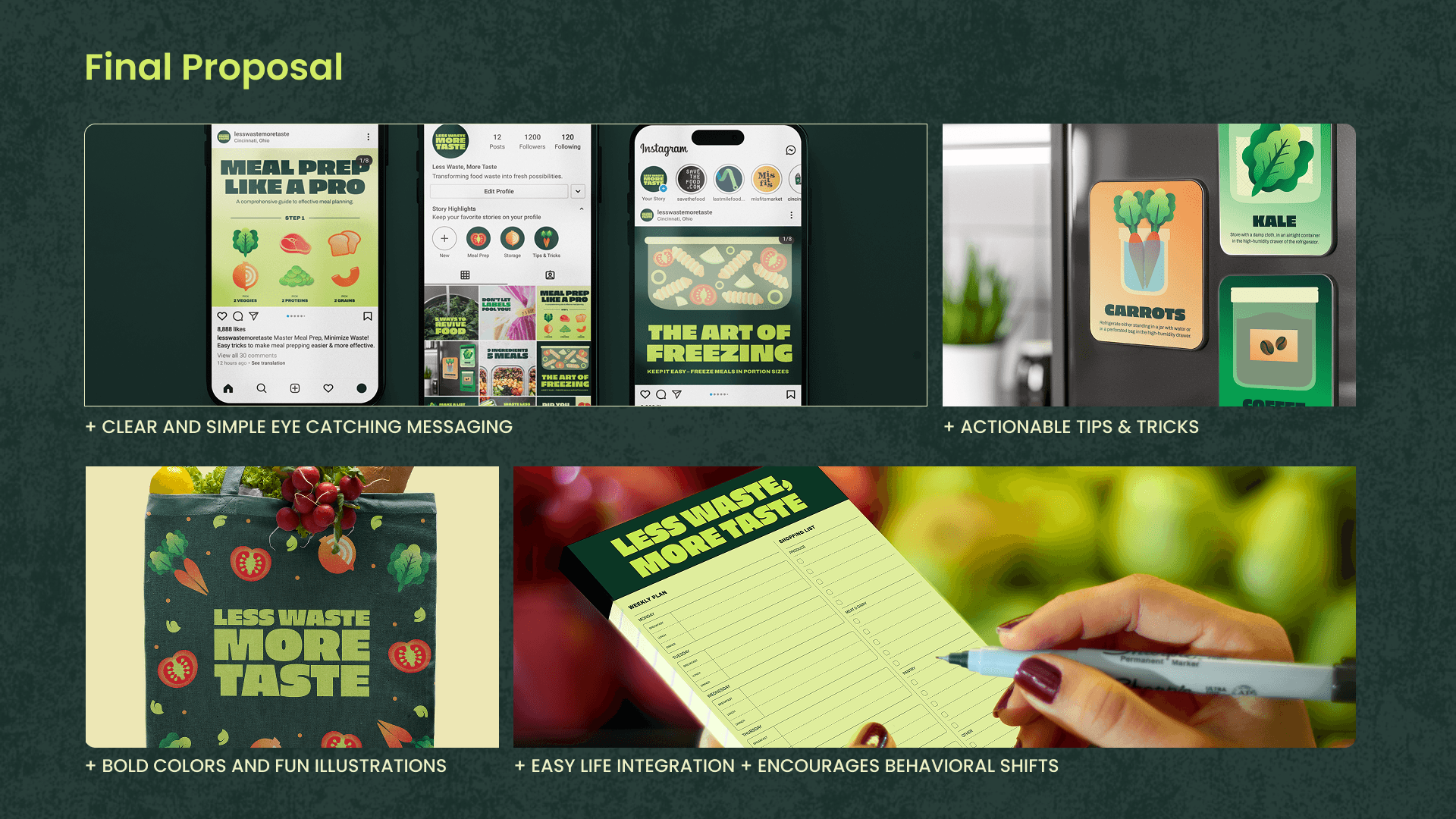
Proposal Intended Outcomes
Phase 04
Conclusion
Next Steps
Key Takeaways
Research drives design decisions. Data and insights uncover opportunities we couldn’t achieve through intuition alone.
This project reinforced the importance of deeply understanding a client’s real-world challenges. Without research and empathy, it’s impossible to design solutions that truly address their needs.
Project Highlights